With the rapid growth of the internet, an increasing number of businesses are choosing to sell woven bags online. As the number of sellers rises, competition in the online marketplace has become increasingly fierce. To enhance their competitiveness and attract customers, many manufacturers resort to certain tactics—though these may seem harmless, they can still have a noticeable impact on a small segment of buyers with very strict requirements for woven bags. In this article, the editor from an industrial woven‑bag manufacturer will walk you through some key acceptance criteria for woven bags.
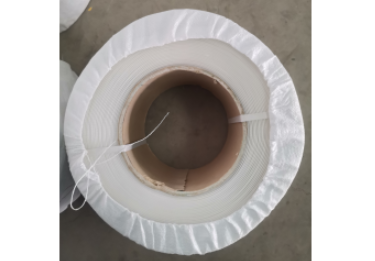
PP strapping, formally known as polypropylene, is one of the lighter common plastics. Its primary material is polypropylene resin of the fiber‑grade type. Thanks to its excellent moldability, high tensile strength, good flexural resistance, low density, and ease of use, it is processed into strapping bands that are widely employed across various industries. “PP” stands for polypropylene, and there are many grades of polypropylene; for optimal results in strapping production, polypropylene resin of grade T30S is typically used. Appearance of PP strapping: semi‑transparent to opaque, with a transparent film‑like texture. Combustion characteristics: it is combustible in flame and will either extinguish slowly upon removal from the flame or continue burning. During combustion, the upper portion of the flame appears yellow, while the lower portion is blue; melting and dripping may occur, and a paraffin‑like odor can be detected.
Composite food packaging bags are widely used in the packaging industry. Based on their design, they can be categorized into center-seal bags, three-side seal bags, stand-up pouches, zip-top bags, four-side seal bags, specially shaped bags, interlocking bags, and roll film, among others. Composite bag manufacturers produce these bags by laminating two or more materials together through one or multiple dry lamination processes. Such packaging combines the properties of various materials, allowing for customized configurations to meet the specific needs of the packaged product, thereby offering excellent adaptability. A wide range of packaging materials can be used for lamination, including BOPP, PET, OPP, PVC, AL, PA, PT, and others.
Composite bags are suitable for vacuum or general packaging of food, electronic products, chemicals, pharmaceuticals, tea, precision instruments, and defense‑related items. They offer advantages such as high strength, corrosion resistance, excellent tear resistance, non‑toxicity and odorlessness, moisture resistance, light impermeability, UV protection, and antistatic properties, making them widely applicable to the packaging of powders and granular materials. Production processes include side‑seal bags, bottom‑seal bags, center‑seal bags, and three‑side‑seal bags; material options comprise two‑layer BOPP/LLDPE laminates. Common raw materials include OPP, PE, POF, PPE, and PP.
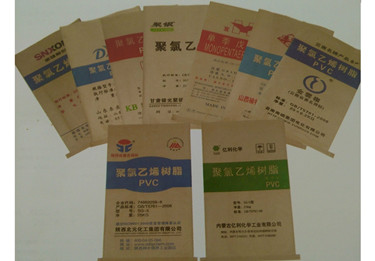
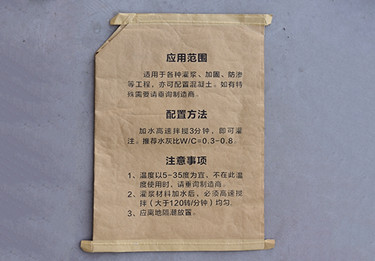
Paper-plastic composite bags are made by laminating plastic with kraft paper. The plastic layer typically consists of a flat‑woven fabric based on polypropylene (PP) or polyethylene (PE), while the kraft paper is a high‑grade, specialized composite kraft paper. These bags offer high strength, excellent water resistance, and an attractive appearance. They are among the most popular packaging materials today and are widely used in industries such as plastics, cement, animal feed, chemicals, and fertilizers.
Paper‑plastic composite bags are made by laminating plastic with kraft paper. Typically, the plastic layer consists of a flat‑woven fabric based on polypropylene (PP) or polyethylene (PE), while the kraft paper is a high‑grade, specially formulated composite kraft paper. These bags offer high strength, excellent water resistance, and an attractive appearance. They are one of the most popular packaging materials, widely used in industries such as plastics, cement, animal feed, chemicals, and fertilizers. Below, a manufacturer of paper‑plastic composite bags explains: when purchasing these bags, never judge solely by price.
Composite bags are suitable for vacuum packaging or general-purpose packaging of food, electronic products, chemicals, pharmaceuticals, tea, precision instruments, and defense‑related products.
FIBC bags, also known as bulk bags, are widely used and well‑known for their versatility. In addition to everyday household applications, they are employed for packaging industrial and agricultural products. Recently, with the rapid growth of the logistics sector, logistics‑specific FIBC bags have also gained widespread recognition.